
Hybrid Hemp Homes: The Future of Sustainable Building in Australia
Exploring the Future of Sustainable Living in Northern NSW
Hybrid hemp homes are quickly becoming one of the most sustainable and forward-thinking building solutions in Australia. Combining natural hemp materials with modern construction methods, these homes offer durability, energy efficiency, and a significantly lower environmental impact compared to traditional building. Hemp-based building materials, often referred to as hempcrete, are breathable, non-toxic, and naturally resistant to mould and pests. As more Australians look for environmentally responsible housing options, hybrid hemp construction is gaining attention for its ability to support both healthy living and sustainable development.
Set across the Byron Bay region, the iHemp field day brought together growers, builders, educators, and industry leaders, all working toward a shared vision, building a sustainable future through industrial hemp.
Walking through the fields and speaking with passionate experts, it became clear that hemp is no longer an emerging industry — it is already here, already working, and already creating change.
We explored practical cultivation methods suited to Australian conditions, fibre and hurd processing, and the expanding role hemp plays in regenerative agriculture. Every conversation reinforced the same message: hemp is a solution-driven crop with real economic and environmental value.
One of the most impactful parts of the trip was visiting the hemp hybrid homes in Byron Bay. These were not display models or concepts — they were real homes, thoughtfully designed and lived in.
Stepping inside, the difference was immediate. The environment felt calm, balanced, and naturally regulated. These homes are built using hemp-based materials such as hempcrete, combined with traditional building methods to create structures that are breathable, energy-efficient, and aligned with the surrounding environment.
Hemp building materials offer a range of benefits. They are naturally insulating, help regulate temperature, resist mould, and contribute to healthier indoor air quality. Over time, hempcrete continues to harden, creating durable and long-lasting structures while also supporting carbon reduction.
Seeing these homes firsthand shifts your perspective. It moves hemp construction from an idea into a reality, one that is not only viable but highly desirable.
The materials themselves tell an important story. From the fibrous outer layer of the plant to the woody inner core, every part of hemp has a purpose. When combined with lime and water, the hurd transforms into a building material that reflects both simplicity and innovation.
For regional communities like ours on the Mid North Coast, this industry presents genuine opportunity. Hemp has the potential to support local jobs, encourage sustainable building practices, and strengthen regional economies through diversified agriculture and manufacturing.
What stood out most throughout the day was the sense of momentum. This is not something that is years away, it is happening now. People are growing it, building with it, and living in it.
Walking away from the iHemp Field Day and the Byron Bay hemp homes, one thing is certain, the future of sustainable living is already being built, and hemp is playing a leading role in that transformation.
At Coffs Hemp, this is exactly what we stand for, education, innovation, and supporting a shift toward more conscious, sustainable ways of living.
“From Conviction to Cultivation” – “It’s Time”.
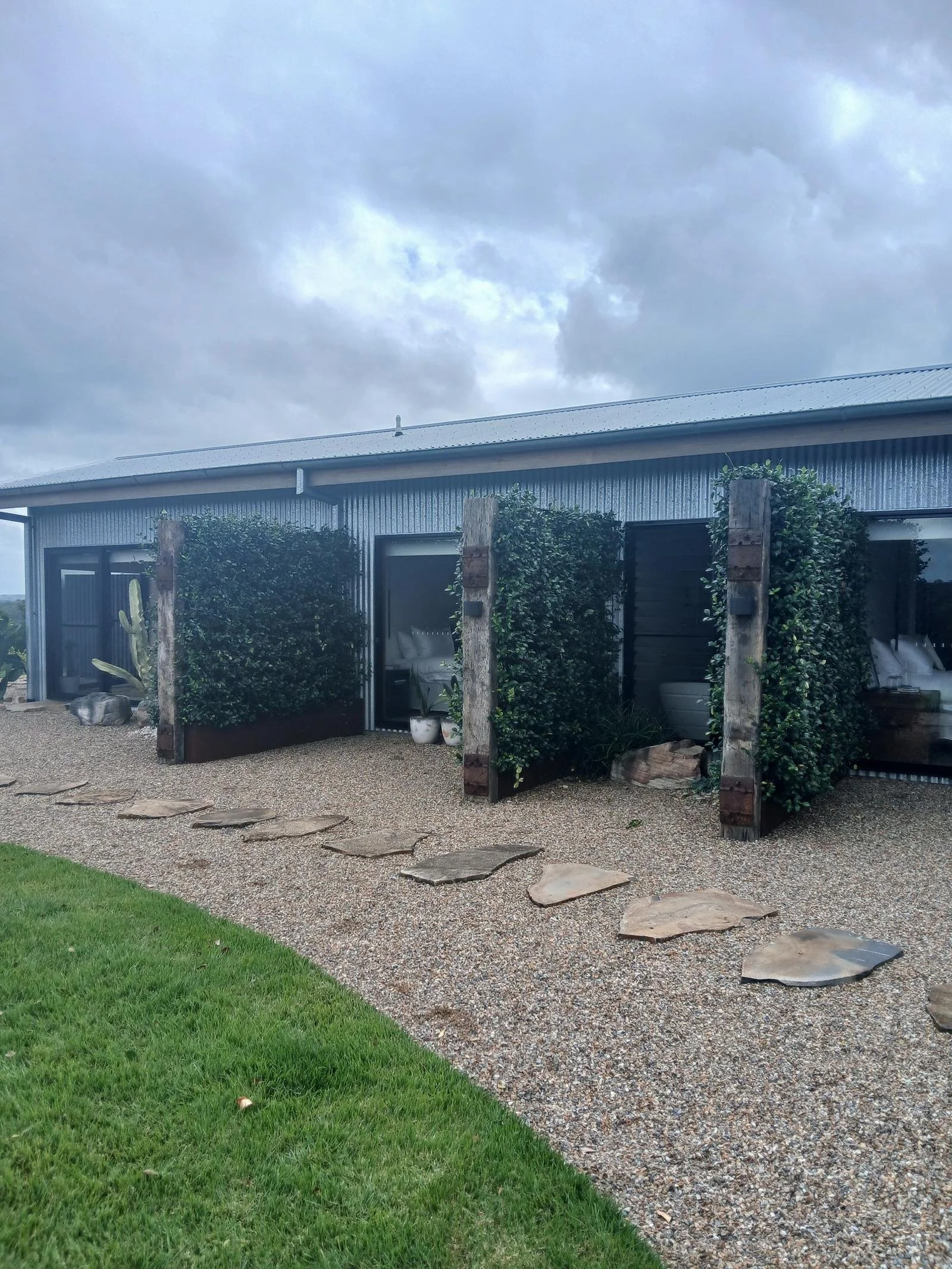
As more communities explore sustainable building options, hybrid hemp homes are proving to be a practical and forward-thinking solution for the future of housing in Australia. Hybrid hemp Home built in Uki NSW
